Pennsylvania Bill Strives for Skill Game Protections

Key Points
- Lawmakers in Pennsylvania are considering House Bill 2557, which would introduce strict rules for skill games
- The proposal reshapes where machines can operate, banning them from convenience stores and gas stations
- It includes harm-reduction measures such as directing at least 3% of future tax revenue to addiction treatment

Pennsylvania legislators introduced new legislation that could dramatically change the way skill-based gaming machines are used across the state, focusing on consumer protection and regulatory oversight.
House Committee Reviews Bill Setting Strict Controls on Skill Game Access
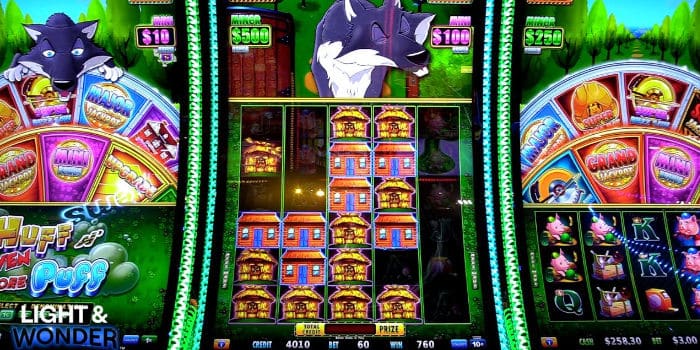
The House Gaming Oversight Committee is currently reviewing House Bill 2557, which was introduced in early June and sets out a framework for regulating so-called “covered devices.” These are often referred to as skill games and operate like slot machines, but have long existed in a legal gray area across the commonwealth.
The proposal does not legalize the devices themselves. Rather, it lays out rules that would come into play if lawmakers subsequently sanction their operation and taxation. The measure is primarily aimed at making these machines conform to the standards already applied to traditional gambling sites.
A central part of the bill is the requirement that players be identified. To use a machine, people would have to prove who they are, using official documents or a recognized account system. Anyone unable to produce valid identification or anyone under the age of 21 would be barred from playing.
The bill also mandates controls on spending. Players will be required to set a daily loss limit before starting a session, which cannot exceed $250. Users can lower that threshold at any time but cannot raise it while they are actively playing.
The New Proposal Introduces Play Limits, Venue Restrictions, and State Monitoring
The bill also proposes changes to the speed of the game. Machines would need to have breaks between rounds and would require short breaks after prolonged use. During these breaks, players would be told how long they had played and how much money they had won or lost.
Another important factor is the location restrictions. The proposal would prohibit skill games in convenience stores and gas stations, two of the most common current venues. Rather, the devices would be limited to liquor-licensed venues or specially approved gaming zones that would be restricted to adults. There would also be limits on how many machines each establishment can house.
The Pennsylvania Gaming Control Board would provide oversight, monitoring activity through a centralized system that tracks wagers and payouts in real time. Regulators also could shut down machines that fail to meet compliance standards and fine violators.
The measure includes provisions for addressing problem gambling. At least 3% of future tax revenues would be directed to treatment and prevention programs.
Researchers will also have access to anonymized data on players to better understand gambling behavior and develop harm-reduction strategies. The bill’s introduction comes as Pennsylvania continues to grapple with the larger question of how to classify and regulate skill games, and as a pending court decision is expected to inform the direction of future policy.
An expert in industry analysis, Silvia closely tracks global mergers, acquisitions, and transitions in corporate strategy. She investigates market consolidation and competitive dynamics. Her sharp financial insights help executives and investors decode complex structural shifts, empowering them to navigate high-stakes deals and capitalize on emerging industry trends worldwide.
Must Read
More Articles