UFC CEO Dana White Appeals to Trump on Gambling Tax Rule

Key Points
- Dana White asked Donald Trump to support reversing a tax rule that limits gambling loss deductions to 90%
- The change can leave bettors paying taxes even when they break even or lose money
- White and industry groups warn the rule could hurt legal betting, reduce business activity, and push gamblers toward unregulated markets
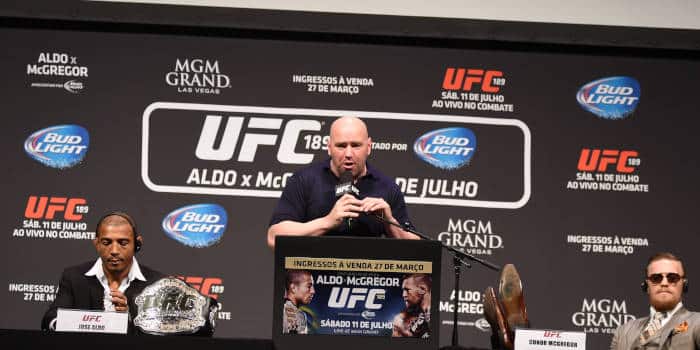
UFC president and CEO Dana White has chimed in on the ongoing debate over US gambling taxation, urging Donald Trump to back changes to a controversial provision introduced last year. White reached out to the White House on May 11, formally asking for help to overturn a policy that restricts the amount of betting losses that can be deducted from taxable income.
UFC Chief Flags Gambling Tax Rule’s Unintended Impact
The measure, part of the sweeping One Big Beautiful Bill Act, cut the allowable deduction from 100% of losses to 90%. The shake-up had unintended consequences for casual bettors and professionals alike, industry figures said. As it stands, people who break even or even lose money overall may still have tax liabilities on some of their activities.
White said in his message that while he understood the economic objectives the legislation was trying to achieve, this particular clause was already hurting. He said policy distorts the decision-making of gamblers and makes participation in regulated markets less attractive. The reasoning was that the rule might discourage legal betting entirely, pushing some bettors into unregulated options.
The UFC executive also pointed to broader business implications. He said that for organizations like his, it is about creating a stable and transparent betting environment that allows for audience engagement and commercial partnerships. He said lower activity in licensed markets could erode relationships built over years with regulators and operators, as well as sponsorship and broadcast value.
Betting Rule Sparks Economic Concerns Beyond Gambling
Another concern is the knock-on effect on related industries. Less gambling could mean less discretionary spending, including tipping, an issue that intersects with other policy priorities related to workers in the service industry, White said. However, he painted the situation as one where a technical tax change could endanger larger economic goals.
The deduction cap has been a point of debate since the law was passed in 2025. Bipartisan proposals have been introduced to restore the current 100% deduction, but no measure has advanced to a full vote in Congress. Advocacy groups, including those representing the gaming industry, continue to push for changes, arguing the current system creates what they call artificial taxable income.
White’s is among the most prominent interventions from the world of sport on the issue. He is closely aligned with Trump, giving the appeal a political dimension as reform advocates believe backing from the executive could hasten legislative action. However, there has been no official response from the administration so far, and the future of the provision remains uncertain.
An expert in industry analysis, Silvia closely tracks global mergers, acquisitions, and transitions in corporate strategy. She investigates market consolidation and competitive dynamics. Her sharp financial insights help executives and investors decode complex structural shifts, empowering them to navigate high-stakes deals and capitalize on emerging industry trends worldwide.


Must Read
Industry
May 8, 2026
Michigan Hits Pause on Betting Tax Hike
More Articles