April 27, 2026
3 min read
Fact-checked by Stoyan Todorov
Wisconsin Calls Out Prediction Markets as ‘Illegal Gambling’
The state has become the latest US jurisdiction to go on the offensive against the rapidly expanding sector
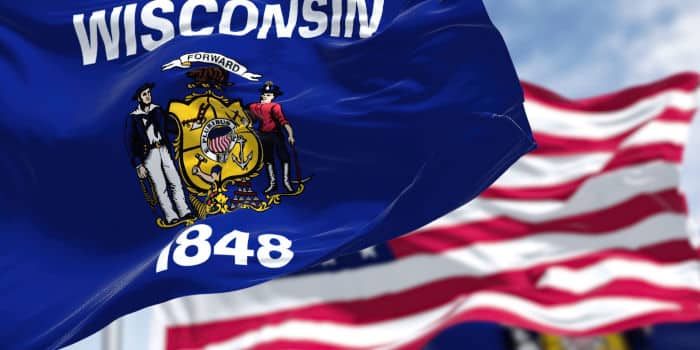
Prediction market platforms are accustomed to challenges, and the latest lawsuits filed by the Wisconsin Department of Justice are no exception. The state has targeted prediction market platforms, arguing that they facilitated and specifically enabled “illegal sports gambling.”
Wisconsin Becomes the Latest State to Call Prediction Markets Illegal Gambling
The crux of the argument is simple enough: trades on sports event contracts should be regulated under local gaming laws, Wisconsin stipulates, but prediction markets such as Kalshi and Polymarket quote the preeminence of federal law, administered by the Commodity Futures Trading Commission (CFTC).
This has created a vortex of legal tug-of-war with states filing lawsuits, with prediction markets responding in kind. Wisconsin has named all prominent prediction market platforms operating in the state in its latest legal action, including Crypto.com, Polymarket, Coinbase, Robinhood, and Kalshi.
Wisconsin alleges that the companies are offering traditional gambling products through their offers of sports event contracts, with the state’s attorney general, Josh Kaul, adding:
“These companies have chosen to flout Wisconsin law by thinly disguising the sports betting that they facilitate through what are called event contracts. But our position in this case is that event contracts are no different than ordinary sports bets.”
Lawmakers Are Split on What the Best Course of Action Is
At the same time, a US senator is trying to have a prediction market codified as gambling, which is a tall order despite the general opposition against the sector.
Most lawmakers acquiesce to the need for a working framework that ends the dispute over the legitimacy of sports event contracts, but many among this cohort still stop short of attacking the sector in extreme terms.
In the meantime, other states have pursued a similar course of action, expressing grave concerns over the proliferation of prediction markets and what they have described as a blurring of the lines between investing and gambling.
In Massachusetts, lawmakers have raised concerns over minors interacting with prediction markets, with U-21s able to access these platforms, and being “too young to gamble.”
Recently, New York’s attorney general’s office has gone after two prediction market platforms, specifically Coinbase Financial Markets and Gemini Titan. For their part, prediction markets have also pushed back. Kalshi has filed lawsuits all over the country, and sometimes preemptively.
The CFTC has even gone on the offensive, launching counter lawsuits of its own against several states, claiming that they have been trying to preempt state legislation.

Jerome brings a wealth of journalistic experience within the iGaming sector. His interest in the industry began after graduating from college, where he regularly participated in local poker tournaments. This exposure led him to the growing popularity of online poker and casino rooms. Jerome now channels all the knowledge he's accrued to fuel his passion for journalism, providing our team with the latest scoops online.


Must Read
More Articles


Industry
April 27, 2026
US Gambling Crisis Grows as Industry Booms




Casino
April 24, 2026
Golden Nugget Atlantic City Faces Leadership Transition



Casino
April 24, 2026
Yet Another Pechanga Resort Casino Guest Wins $1M Jackpot



Sports
April 24, 2026
Ohio Lawmaker Targets Streaming Costs and Betting Reforms